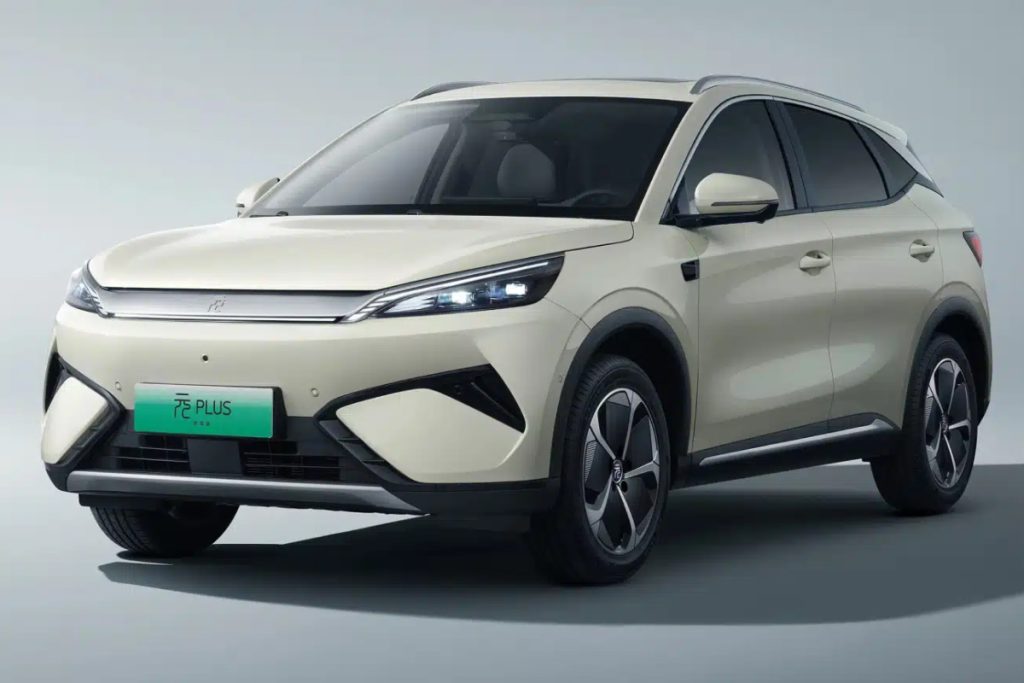

The next-generation BYD Yuan Plus — sold internationally as the Atto 3 — has officially entered China’s New Energy Vehicle Purchase Tax Exemption Directory, signalling that the refreshed model is production-ready. The update brings significant upgrades in battery technology, charging speed, and overall dimensions, potentially setting a new benchmark in the affordable electric SUV segment.
What’s New Under the Hood
The updated Yuan Plus will be offered in two battery configurations: a 57.545 kWh pack delivering a CLTC-rated range of 540 km, and a larger 68.547 kWh unit pushing that figure to an impressive 630 km. Built on a completely new rear-wheel-drive pure electric platform and equipped with BYD’s second-generation Blade battery technology, the new model also introduces flash charging — arguably its most headline-grabbing feature.
With flash charging enabled, the battery can top up from 10% to 70% in just five minutes, and reach 97% in only nine minutes. Even in sub-zero conditions as extreme as -30°C, charging time increases by a mere three minutes — a notable achievement for cold-climate usability.
Power output comes from a rear-mounted single motor, available in two configurations: 200 kW (268 hp) and 240 kW (322 hp), giving buyers the flexibility to choose between efficiency and performance.
A Noticeably Larger Car
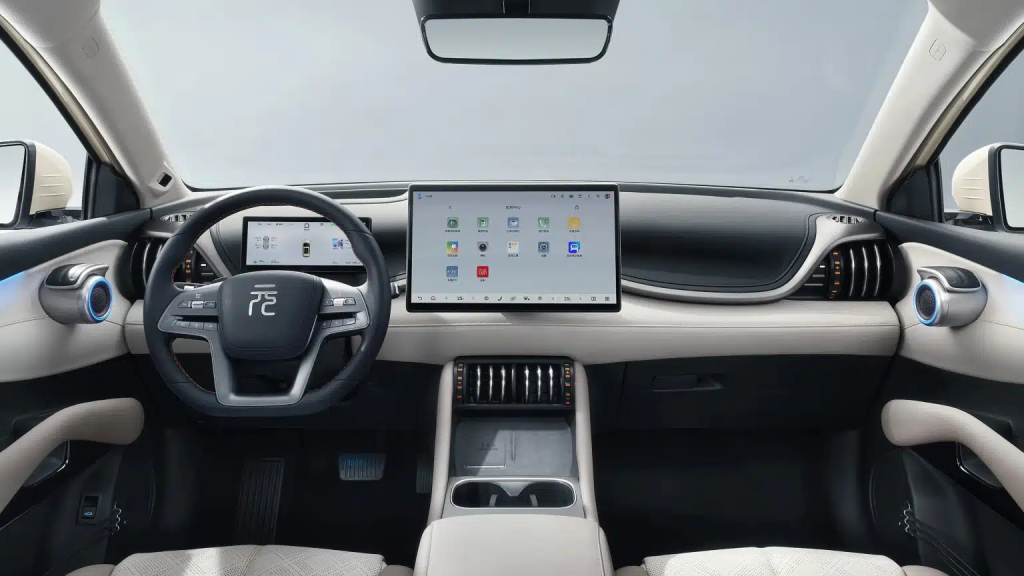
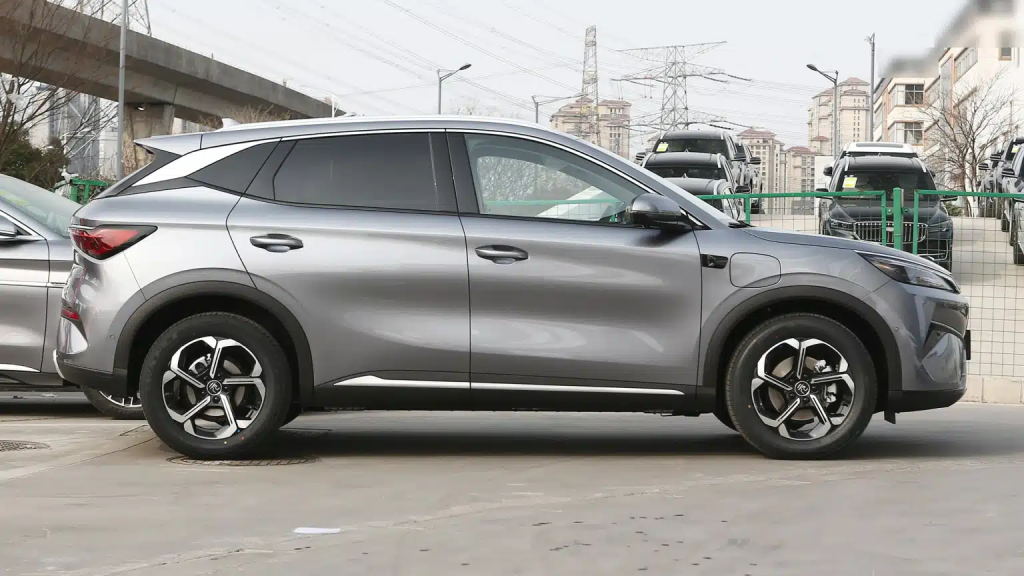
The new Yuan Plus grows substantially over its predecessor. The updated model measures 4,665 mm in length, 1,895 mm in width, and 1,675 mm in height, with a wheelbase of 2,770 mm. By comparison, the current Yuan Plus sits at 4,455 × 1,875 × 1,615 mm with a 2,720 mm wheelbase — meaning buyers get a meaningfully roomier vehicle without moving up a segment.
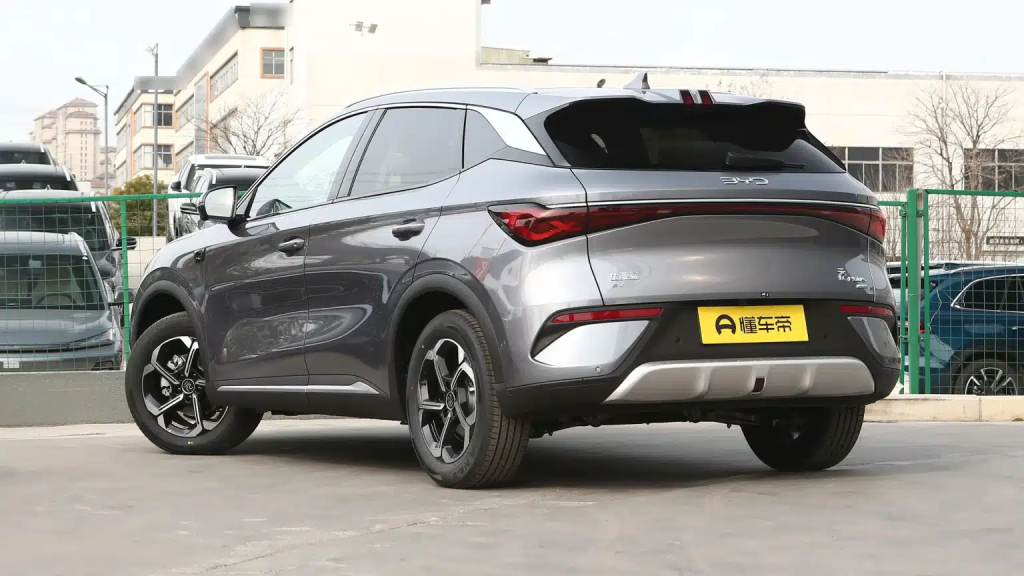
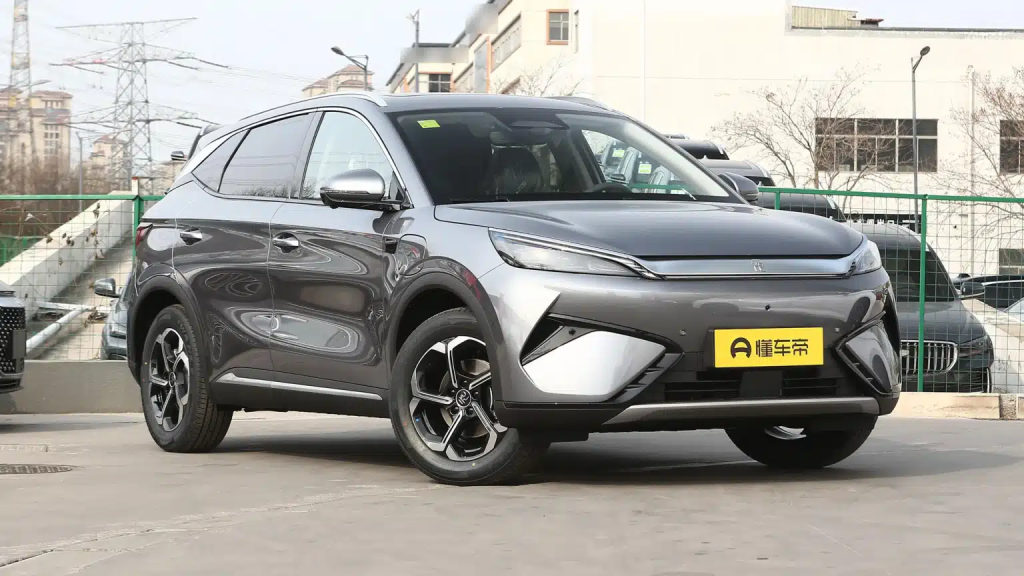
The car rides on either 18-inch or 19-inch wheels and features semi-hidden door handles alongside customisable D-pillar panels available in multiple colours — a detail that will likely appeal to younger Nepali buyers who want to personalise their vehicles.
Design: Evolution, Not Revolution
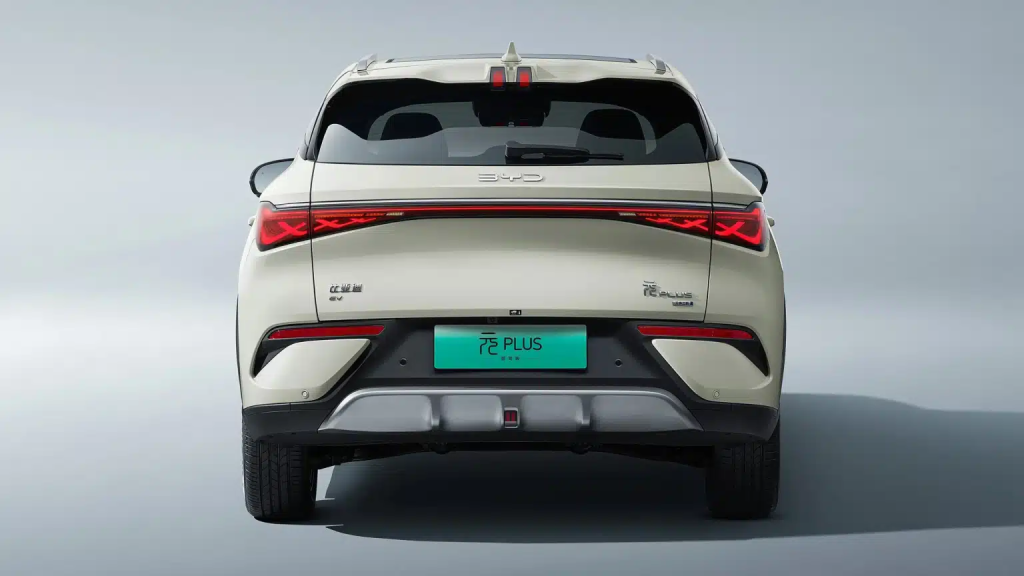
BYD has kept the Yuan Plus firmly within its Dynasty family design language. Up front, a silver grille panel is flanked by slim, blackened headlights, with vertically arranged ventilation openings on the bumper and a trapezoidal cooling grille at the centre. At the rear, a through-type integrated taillight panel creates a clean, sweep-across lighting effect, while a two-segment high-level brake light and rear window wiper add both practicality and visual interest. The concave license plate frame layout at the rear bumper adds a sense of depth to the tail design.
What This Means for Nepal
The BYD Atto 3 already has a presence in Nepal’s growing EV market, where it competes in the premium electric SUV space. While the current Atto 3 has seen solid interest among EV-curious buyers, the upgraded model — with its dramatically faster charging and longer range — addresses two of the most common concerns raised by prospective EV owners here: range anxiety and charging wait times.
It is worth noting that in China, the Atto 3 has faced stiffening competition, with monthly sales dropping to around 2,000 units in January and February this year after previously crossing the 10,000-unit mark. However, the international version of the vehicle has generally been better received in markets like Nepal, where the competitive landscape is less saturated.
No official launch date or pricing for Nepal has been announced yet. NepalShowroom.com will provide updates as more details emerge.