
The Government of Nepal is set to tighten regulations on the import of electric vehicles (EVs). The Department of Transport Management (DoTM) has drafted a new directive titled “Vehicle Import, Production, and Installation Directive 2082” aimed at controlling the import of all types of vehicles.
A drafting committee led by Shrikant Yadav, Director of the Vehicle Testing, Cross-Border Transport Management, and Vehicle Standards Division, was formed to prepare this draft. The committee has outlined standards specific to EV imports. The draft will now be discussed with stakeholders before being finalized, according to the department.
Key Provisions in the Proposed Directive
- Mandatory Import Approval
Importers must obtain prior approval from the DoTM to import vehicles. To do so, they must submit eight key documents, including:- Company registration certificate
- Authorization as an official dealer in Nepal
- Agreement and terms with the manufacturer
- Detailed technical specifications of the vehicle
- Type approval certificate from the competent authority of the manufacturing country
- Certificate of conformity for the latest production batch
- Proforma invoice
- Sales, after-sales service, and maintenance plans as per the directive
- Infrastructure and Workforce Requirements
Importers must establish necessary physical infrastructure (e.g., service centers), machinery, equipment, and hire technical personnel before importing vehicles. For EVs, importers must also build charging stations and battery management centers. The directive specifies minimum requirements based on the import volume. For example:- Importers of 500 ICE units per year: 3 service centers (400 sq.m. each), main office (50 sq.m.), 5 technicians including 1 engineer
- Importers of over 5,000 ICE units per year: 15 service centers, 20 technicians including 4 engineers
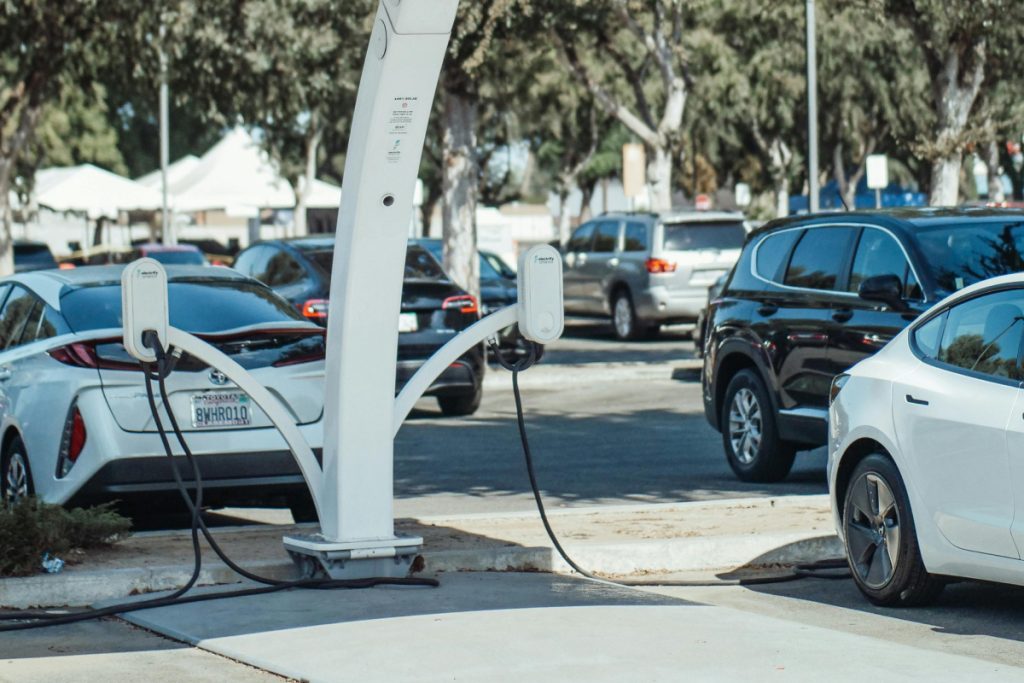
- Minimum 5 Charging Stations for EV Importers
EV importers must establish at least:- 5 charging stations and 3 service centers (400 sq.m. each) for 500 units/year
- 10 charging stations and 5 service centers for 1,000 units/year
- 20 charging stations, 1 battery management center, 10 service centers for up to 5,000 units/year
- 50 charging stations, 1 battery management center, 15 service centers for over 5,000 units/year
- After-Sales Service Guarantee
Importers must ensure an adequate stock of spare parts and necessary tools at service centers to provide prompt after-sales support. - Appointment of Official Dealers
Importers may appoint official dealers or market representatives, provided they have a valid dealership agreement, appointment letter, and relevant production certificates from the manufacturer. The importer, however, remains fully responsible for vehicles sold. - Minimum EV Range and Battery Standards
- Four-wheel EVs: minimum 300 km range per full charge
- Two- and three-wheel EVs: minimum 100 km range
- Battery lifespan: minimum 7 years or 3,000 charging cycles
- Batteries must meet UL 2580, IEC 62133, AIS 049, or IS 17017 safety standards
- Vehicles must have thermal management systems
- Ground Clearance Standards
- Cars: minimum 180 mm
- SUVs/Buses: 250-300 mm
Only vehicles meeting ISO 8608 (road surface standard) suitability for Nepal’s geography will be permitted.
- Free Repairs or Replacement Within 6 Months
If any manufacturing or operational defect arises within 6 months of sale, the importer must provide free repairs or replacement. This does not apply if the owner fails to follow maintenance guidelines set by the manufacturer. - Pre-Registration Technical Inspection
The DoTM will inspect vehicles for roadworthiness before registration, using required testing equipment or technical expertise. - Mandatory Biannual Reporting
Importers and local assemblers/producers must submit progress reports to the DoTM twice a year:
- For Shrawan to Poush: by end of Magh
- For Magh to Ashad: by end of Shrawan